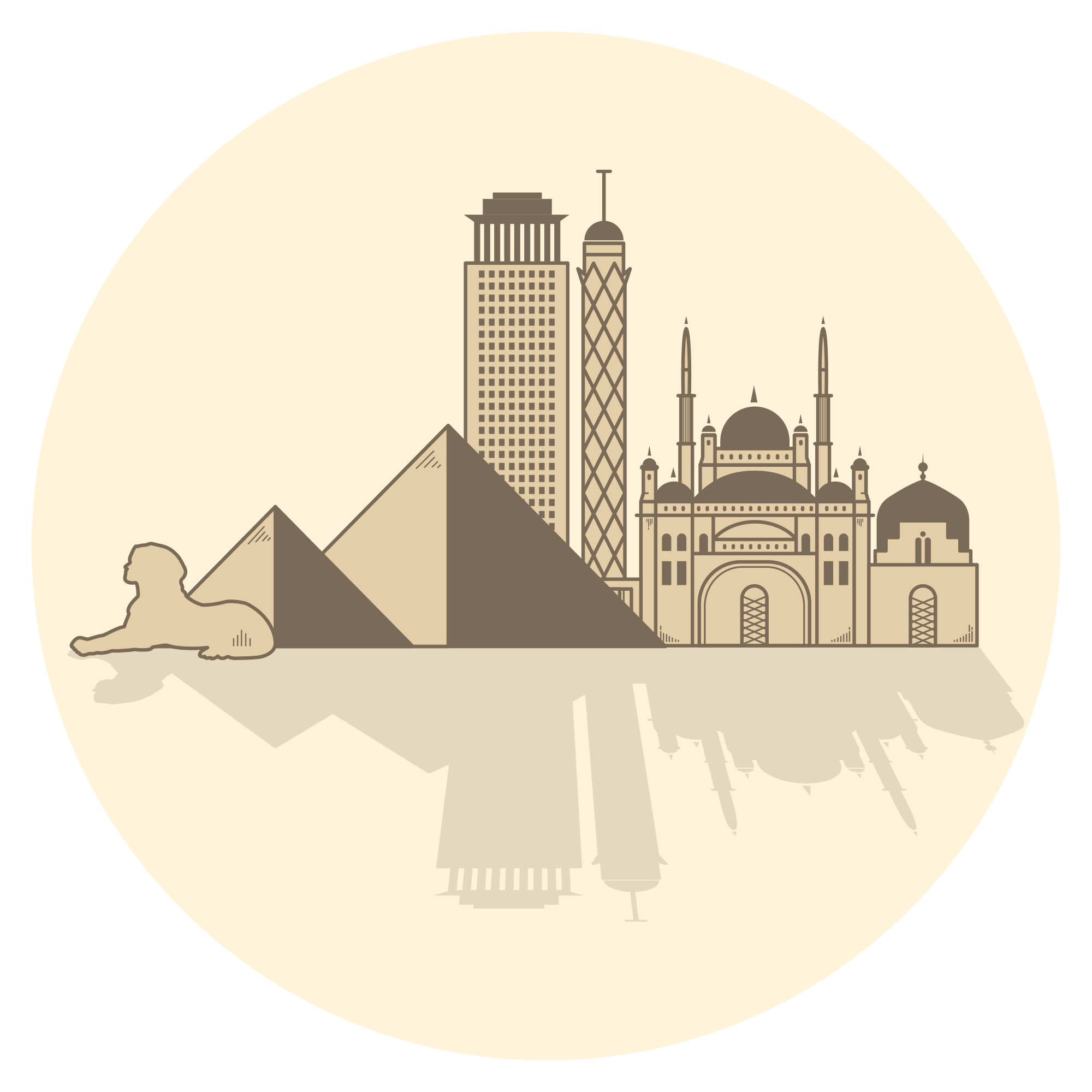

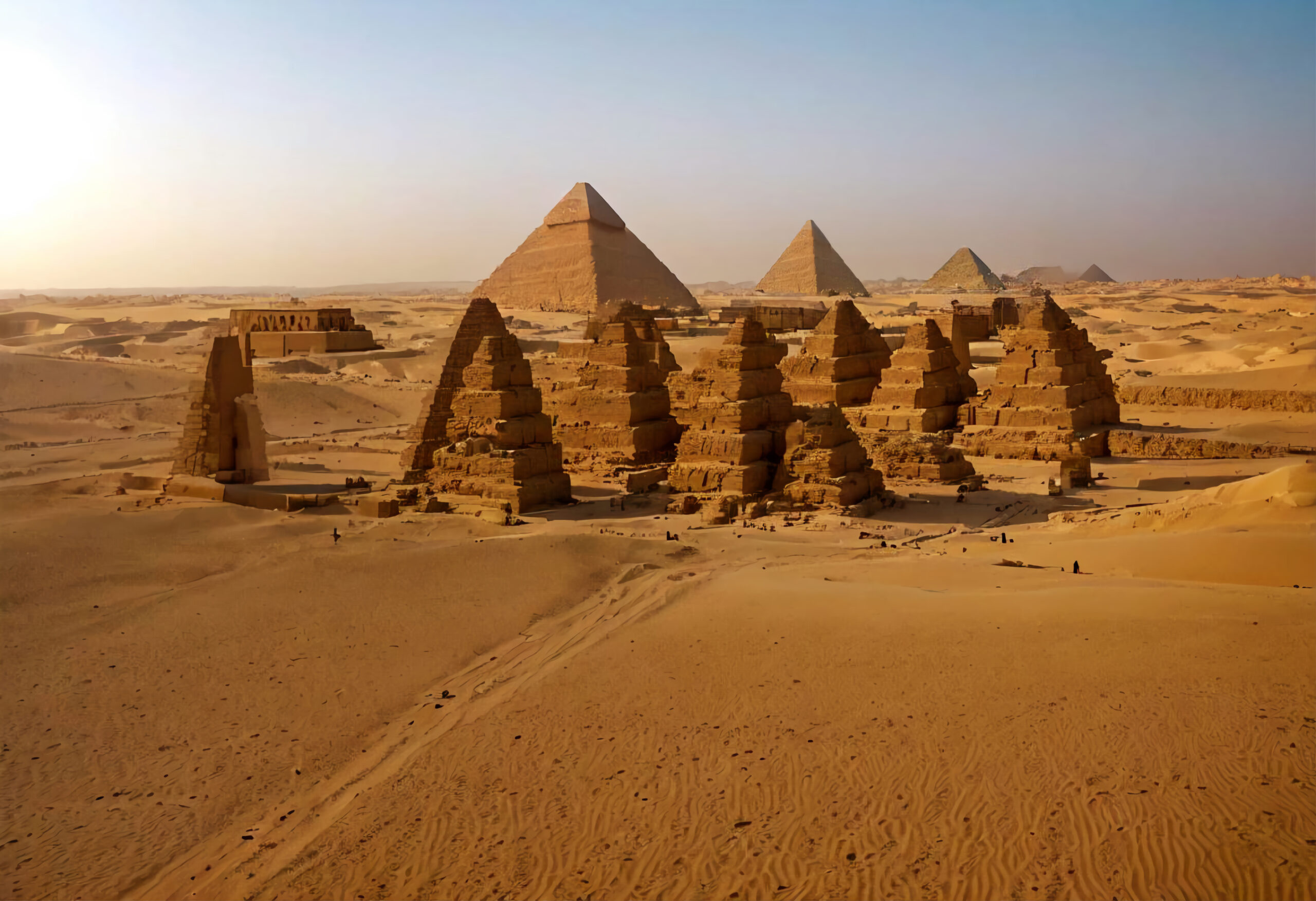
Pyramids are ancient monumental structures found globally, most famously in Egypt and Sudan, primarily built as tombs for royalty or religious platforms.
The Pyramids of Egypt
The Egyptian pyramids are iconic masonry structures, with over 138 identified to date.
: Built for Pharaoh Khufu, it was the tallest man-made structure for over 3,800 years. It is the only surviving member of the Seven Wonders of the Ancient World.
- The Giza Plateau: Home to the three largest pyramids—those of
,
Khafre
, and
Menkaure
—alongside the Great Sphinx and various smaller “queens” pyramids.
- Saqqara: Location of the world’s oldest monumental dressed masonry structure, the
.
- Construction: These structures were built during the Old and Middle Kingdom periods using millions of limestone and granite blocks, some weighing several tons.
Global Variations
While Egypt is the most famous, other regions feature significant pyramid structures:
- Sudan (Nubian Pyramids): Sudan actually has more extant pyramids than Egypt, with roughly 220–240 located at sites like Meroë. These are typically steeper and smaller than their Egyptian counterparts.
- The Americas: Civilizations like the Maya, Aztecs, and Incas built stepped pyramids topped with temples. Notable examples include the
at Teotihuacán, which rivals the Great Pyramid in base size.
Visiting the Pyramids
For those planning a trip, the Giza Plateau recently introduced a new entrance called the
Great Gate
, accessible via the Fume Desert Road, which features a shuttle bus system and modern guest services. You can book official tickets and tours through the Egyptian Ministry of Tourism and Antiquities.